

Look, I love fashion. I work in fashion. I love clothes and style and fashion weeks and editorial spreads.
But I also know that fashion is still far from being truly size-inclusive.
Yes, there has been a great deal of change since the heroin chic era, when ultra-thin was the only acceptable silhouette and public shaming was normalised — even on shows like America’s Next Top Model, which positioned themselves as progressive while reinforcing damaging standards.
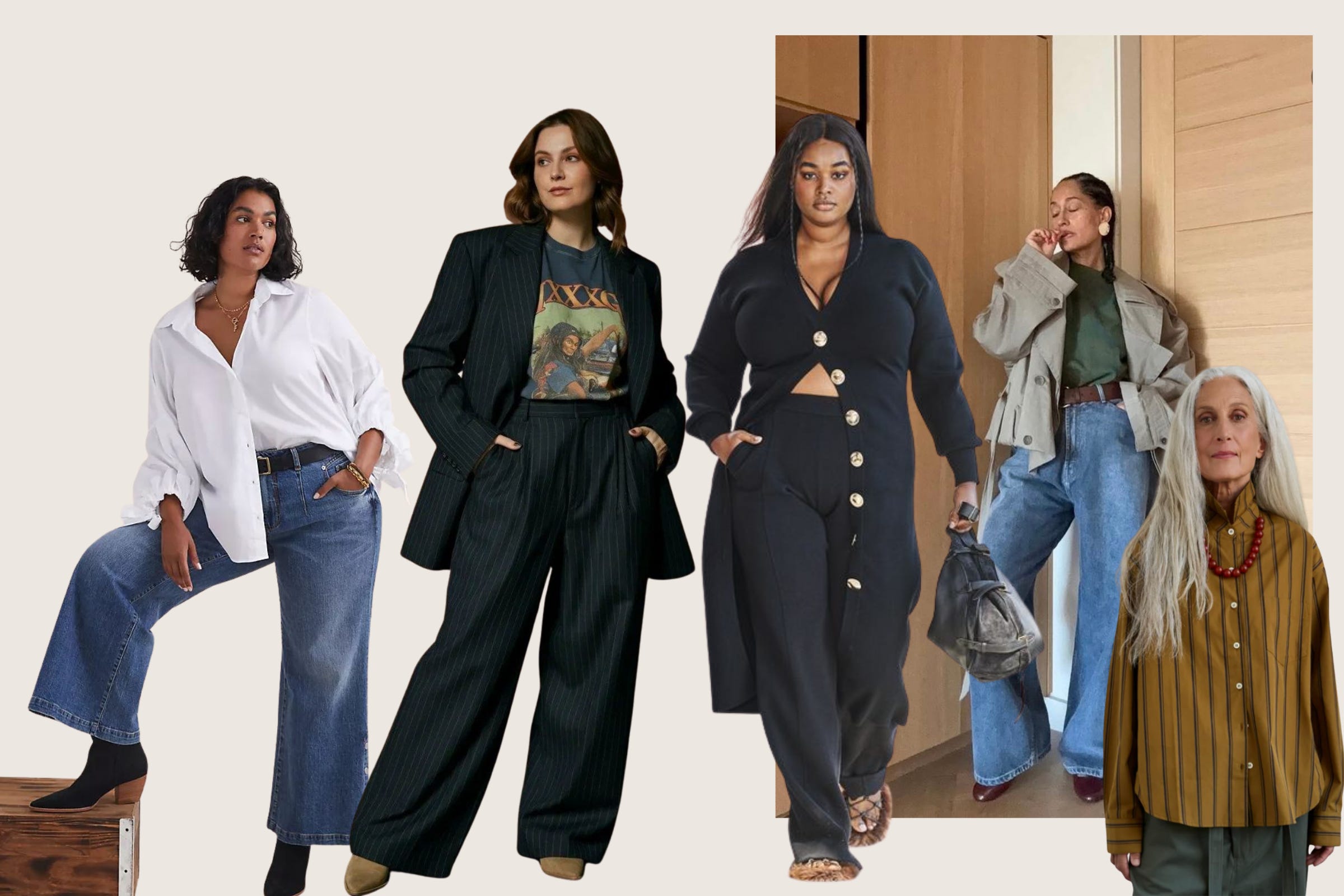
We now have brands creating beautiful clothes across a broader size range, and we see more models on the runway and social media who look more representative of actual women.
And yet, there is still an unspoken hierarchy online. The most visible “style of women” are usually straight-size — often small, often sample-size — and subconsciously, that becomes the standard.
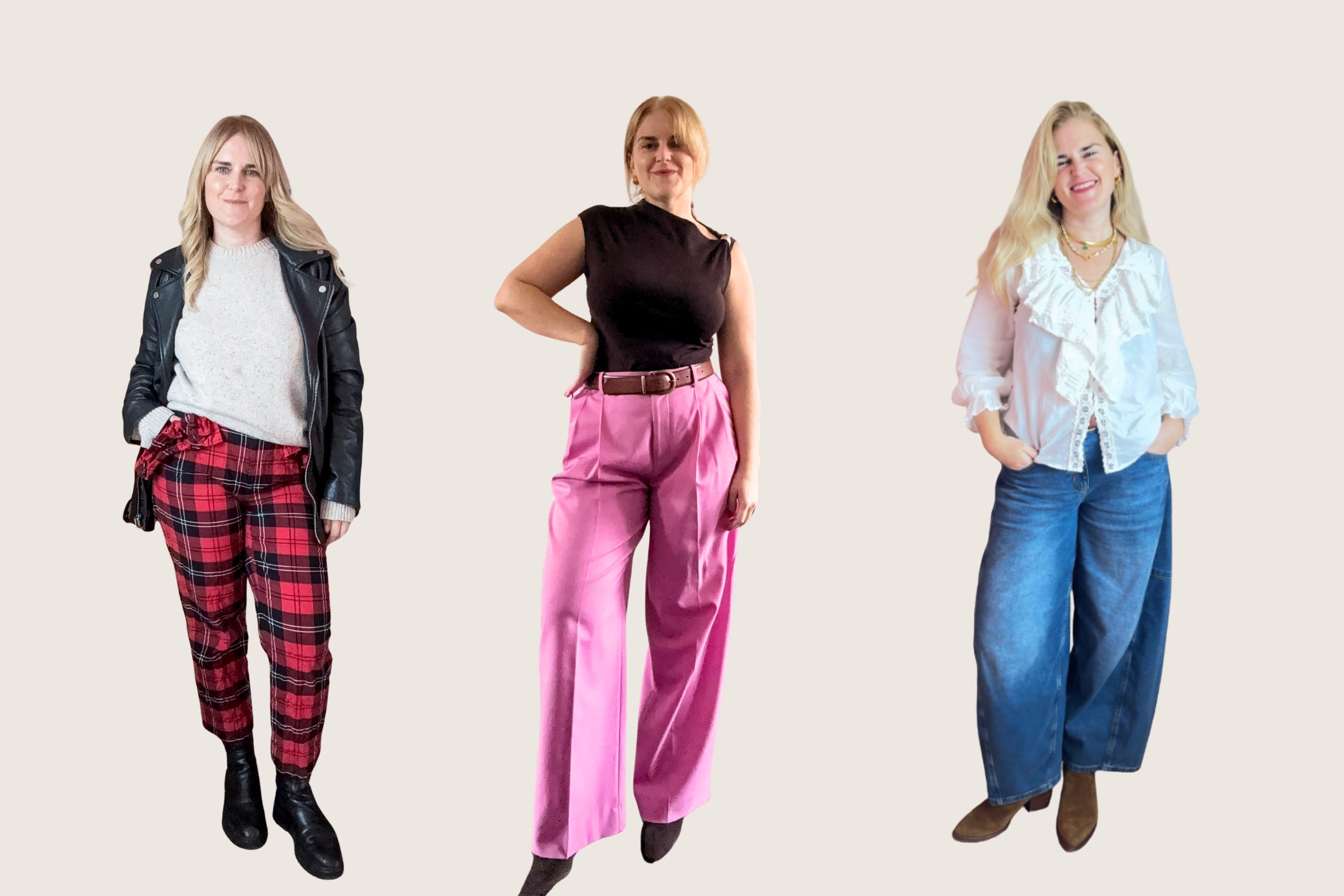
I see this constantly with my clients. No matter what size they are, many assume their wardrobe isn’t working because they need to lose weight. As if it’s their fault. As if they have “let themselves go.” As if they just need to try harder.
But all that has actually happened is that they have lived. They have grown older, had children, built careers, carried stress. They have changed and evolved exactly as humans are meant to do — and their bodies have evolved with them.
Yet when clothes stop fitting the way they did five years ago, we treat it as a personal failure, as if a wardrobe is supposed to remain static while a human life expands.
It isn’t!
A wardrobe should evolve with you. It’s not about forcing your body back into an old version of itself. It’s about building one around the body you have now.
Reclaiming “Flattering”
I’ve never been a size small. My weight fluctuates, even though I exercise regularly, eat well, and take care of myself. I am naturally curvy, and for years I tried to fit into the same category as the women who seemed to embody “good style” online — which, meant dressing in a way that made me look smaller.
It took me years to realise that what I was actually searching for wasn’t thinness.
It was alignment.
I didn’t want to look smaller. I wanted to look balanced. Intentional. Powerful in my own proportions. I wanted to dress in a way that felt flattering for me.
Somewhere along the way, though, the word “flattering” became controversial. As if wanting clothes to flatter your body automatically means you’re ashamed of it. As if defining your waist or choosing structure is a betrayal of body positivity.
But flattering doesn’t have to mean shrinking yourself.
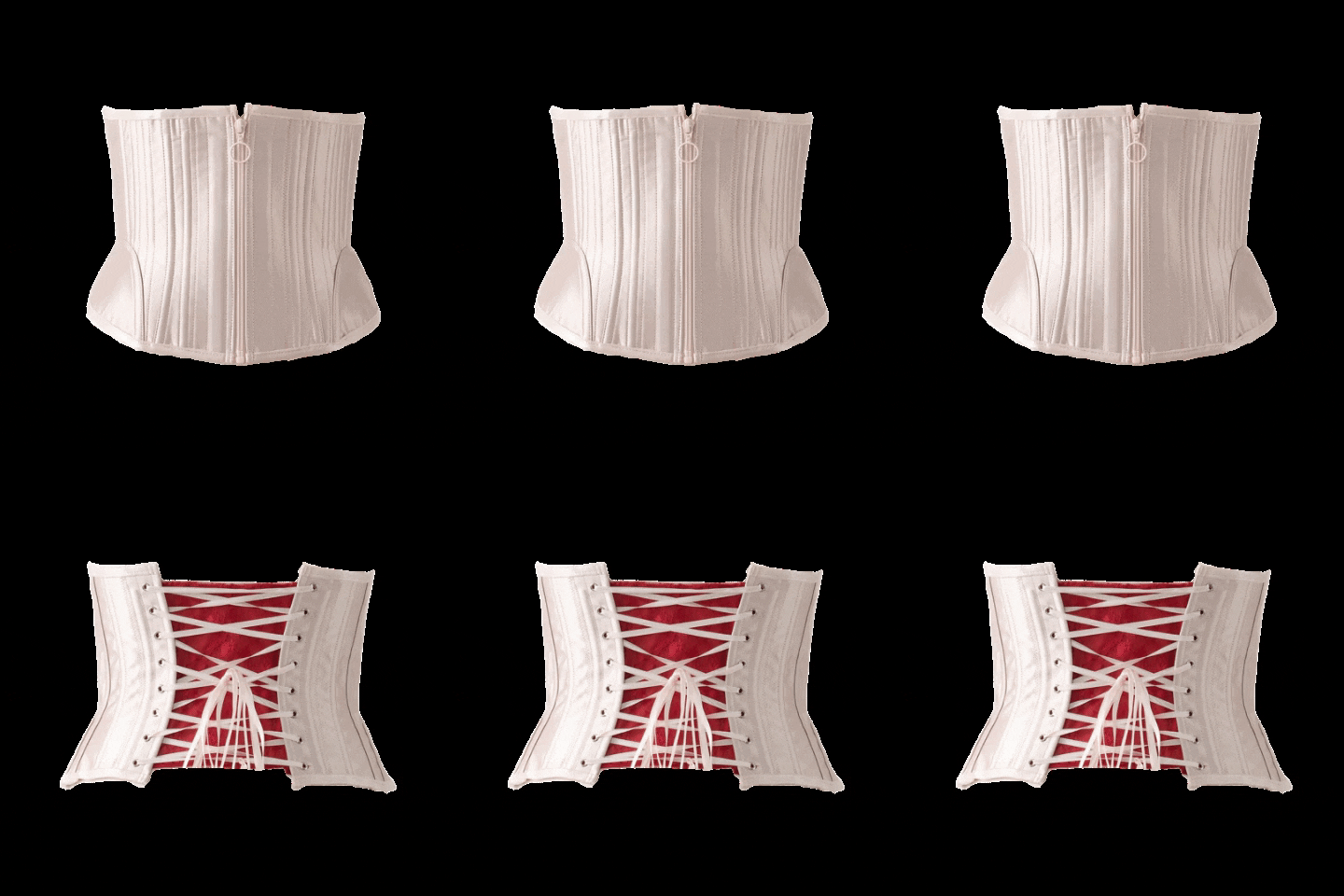
It can mean understanding your proportions and dressing in a way that works with them instead of against them. It can mean choosing shapes that create balance, fabrics that hold structure where you want it, silhouettes that reflect how you want to see yourself.
For me, that meant accepting that I am curvy. That my hips exist. That if I want visual balance, defining my waist makes a difference. That certain cuts will always feel better on me than others.
Not because I’m trying to look like someone else.
But because I know what I enjoy wearing — and how I want to see myself.
Style Is Not a Reward for Shrinking
One of the most damaging ideas we quietly absorb is that style is something we earn.
We earn it when we lose the weight.
When we “get back” to our old body.
When we finally feel acceptable again.
Until then, we wait.
We postpone investing in better pieces. We hold off on tailoring. We tell ourselves we’ll try properly once we are smaller.
But style is not a prize you unlock at a lower number on the scale.
The real shift happens when you stop asking, “How do I look smaller?” and start asking, “How do I create balance in my proportions?”
Building around your proportions starts with observation, not criticism.
Ask yourself:
Where do I naturally carry volume?
Where does my body have structure?
Where do I like definition — and where do I prefer ease?
What feels balanced on me, not on someone else?
From there, your choices become intentional:
Defining the waist if it creates the balance you enjoy.
Elongating the leg line with higher rises or longer hemlines.
Choosing fabrics with structure so the garment holds its shape rather than clinging.
Embracing softness and drape deliberately, instead of by default.
Paying attention to scale — sleeve length, collar size, proportions of bags and shoes — in relation to your frame.
None of these choices are about hiding. They are about dressing in a way that makes you feel comfortable, confident, and aligned with yourself.
When you understand your proportions, you stop fighting your body and start working with it. You stop dressing for a different version of yourself and start making intentional choices for who you are today.
Fashion may still give more visibility to a certain type of woman — one who fits neatly into a particular silhouette. But style doesn’t belong to a body type.
It belongs to the woman who understands her own proportions, makes intentional choices, and refuses to wait until she is smaller to show up fully.
If this resonated, and you’re ready to stop postponing your style, my personal styling sessions are designed for exactly this: building a wardrobe around your proportions and your real life — as it is now.
Love,
Noelia x
THANK YOU! I FINALLY feel like someone has articulated how I feel about dressing myself in the current social climate. As a petite size 20, I feel a constant clash between two cultures- the ‘real fashion’ world that excludes me and the defiant modern aesthetic that derides a waistline and made ‘flattering’ the new F-word. I’m happy with who I am and I gave up trying to lose weight years ago. But I love looks that make me appear taller, not because I’m trying to look like a model but because I love streamlined minimalism. I love a defined waist, not because it makes me look skinnier, but because it creates a solid anchor to visually hold the volume and proportions I find appealing and interesting. Whyyy do we cling to judging others in response to perceived judgement, instead of just happily dressing for what we like & how we feel good?!? I love your take on it. This is such an empowering and thoughtful post.
Great article